Article: Iconic Movie Suit Looks: Hollywood’s Greatest Styles

Iconic Movie Suit Looks: Hollywood’s Greatest Styles
Movies teach us more than entertainment. They show us how to live, how to act, and how to dress. When you watch a character command a room in a perfectly tailored suit, you're seeing a masterclass in menswear. This article breaks down the most iconic suit looks from cinema history and shows you how to recreate them through bespoke tailoring.

Why Movie Suits Define Modern Fashion
Hollywood has shaped men's fashion for over one hundred years. When actors wear suits on screen, they're not just wearing clothes. They're communicating character, authority, and sophistication without saying a word.
Here's the truth that most people miss: the suits in movies work because they fit perfectly. A Hollywood costume designer doesn't compromise on fit. They measure actors precisely. They have clothes tailored by the best craftspeople available. This is why movie suits look so exceptional.
Most men buy suits off the rack and accept poor fit as normal. The shoulders are too loose. The sleeves are too long. The trouser break falls wrong. These problems happen because standard sizes don't match individual bodies.
When you wear a properly tailored suit, everything changes. You look taller. Your shoulders appear broader. Your entire silhouette improves. You feel more confident because you know the suit was made specifically for your body.
This is why bespoke tailoring matters. A custom suit is built from the start around your measurements, your body type, and your unique proportions.

James Bond: The Gold Standard of Elegance
If one character defines suit perfection in cinema, it's James Bond. Across more than sixty years of films, different actors have worn different styles. But the Bond principle remains constant: elegance through perfect tailoring.
Sean Connery's Classic Era Suits
Sean Connery wore Anthony Sinclair suits in the 1960s Bond films. His most iconic look is the mid-grey glen check three-piece suit from Goldfinger. This suit appears in a famous scene where Bond unpacks it from a suitcase on Goldfinger's private airplane.

Why does this suit remain so memorable?
The fabric is soft grey wool with a subtle check pattern. The three-piece includes a matching waistcoat, which adds formality and visual interest. The jacket has naturally structured shoulders without excessive padding. The lines are clean and classical.
Connery paired this suit with a white Frank Foster shirt, a dark navy silk knitted tie, and black derby shoes. Every element works together. Nothing is exaggerated. Nothing is flashy. The suit itself is the star.
This approach represents timeless sophistication. It doesn't look dated because Connery maintained balanced proportions. The shoulders sit at the correct width. The lapels are classic notch style. The jacket length covers the rear completely. The sleeve ends precisely at the wrist bone.
Key Elements to Recreate:
- Soft grey wool fabric with subtle pattern
- Three-piece suit with waistcoat
- Natural shoulder construction
- Notch lapels
- White crisp dress shirt
- Simple silk tie
- Classic black dress shoes
Daniel Craig's Modern Approach
Daniel Craig's Bond wears Tom Ford suits starting in 2006. The style is completely different from Connery's classic cuts. Craig's suits are slim-fit with contemporary proportions. The lapels are narrower. The jacket sits closer to the body. The overall silhouette is sleeker.

In Skyfall, Craig wears a midnight blue Tom Ford suit that represents modern tailoring principles. The fit is precise. Every line is clean. The construction is refined.
Key Elements to Recreate:
- Slim-fit tailoring
- Narrower contemporary lapels
- Midnight blue or navy fabric
- Precise chest fit
- Shorter jacket length
- Slim trouser without excess break
- Minimal accessories
- Modern sunglasses
The Bond Suit Lesson
The key lesson from Bond suits is proportion and fit. Whether you prefer Connery's classic approach or Craig's modern interpretation, both prioritize fit above everything else. The jacket must fit your shoulders perfectly. The sleeve length must end at your wrist bone. The chest must have just enough room for comfortable movement.
How to achieve this? Start with quality wool in navy, charcoal, or grey. Choose between classic notch lapels or peaked lapels. Pair with a white dress shirt. Add a simple silk tie. Wear polished black shoes.
The real magic happens through bespoke tailoring. A custom tailor measures you precisely. They understand how fabrics drape on different bodies. They add subtle details that make the suit look expensive and well-made. They ensure perfect fit across your unique shoulders, arms, and posture.
Patrick Bateman: 1980s Power Dressing
Patrick Bateman is a fictional character created for American Psycho. But his wardrobe is completely real and documented. The costume designer dressed Christian Bale in Cerruti suits that defined 1980s business fashion.

Bateman's wardrobe is his character. His obsession with designer brands, perfect grooming, and material possessions drives the entire film. His suits reflect power, status, and confidence.
The Signature Charcoal Pinstripe
Bateman's most iconic look is the charcoal pinstripe double-breasted suit. This suit has distinct 1980s characteristics. The shoulders feature heavy structured padding. The lapels are wide and notched. The jacket has no vent in the back. The overall silhouette is boxy.
But this suit works because the proportions are correct for the era. The buttons position favorably on the chest. The color is sophisticated. The accessories are carefully chosen. The character wears it with complete confidence.
Four Hero Suits From the Film
The first signature suit is the navy windowpane. This single-breasted jacket features a subtle check pattern created by contrasting colored threads. The pattern adds visual interest without being loud or distracting. The color is professional and versatile.
The second is the charcoal double-breasted pinstripe. This is the power suit. Double-breasted jackets communicate authority. Pinstripes add sophistication. Wide lapels frame the face dramatically. This suit makes the wearer appear commanding.
The third is a grey single-breasted business suit. This is the most versatile piece in Bateman's wardrobe. Grey is easier to wear than charcoal. Single-breasted jackets are less formal than double-breasted. This suit works for various business situations.
The fourth is a black double-breasted tuxedo. This is evening formal wear. Satin peak lapels distinguish it from regular business suits. This represents Bateman at formal events and special occasions.
Modern Power Suit Adaptation
The 1980s had specific proportions that look dated now. However, the principles of power dressing remain timeless. A proper power suit should make you feel confident. It should communicate competence and authority.
Modern power suits maintain structured shoulders, but in a more subtle way. Today's tailors use less padding. They create natural shoulder lines. The lapels are narrower than Bateman's wide 1980s lapels. The fit is trimmer through the waist and chest. The overall silhouette feels contemporary, not historical.
Color psychology remains unchanged. Navy conveys trust and authority. Charcoal is sophisticated and serious. Grey is versatile and approachable. Pinstripes add visual precision and suggest attention to detail.
To create your power suit, think about situations where you need to project strength. Job interviews. Business presentations. Client meetings. Leadership positions.
A custom tailor can build this suit specifically for your body. If you have broad shoulders, tailoring can minimize width through precision fitting. If you're slender, they can add structure through layering and construction methods. The goal is balanced, commanding proportions.
Neo from The Matrix: Minimalist Black Sophistication
The Matrix used clothing as visual metaphor. The program humans wore tattered clothes. The machines wore uniform black. When Neo wears his famous long black coat with sleek black suit, he represents transition between two worlds.

The look is simple yet powerful: all black everything. A long black overcoat extending past the knees. Slim black trousers. A black suit jacket. Black sunglasses. Black boots.
The simplicity becomes the power. There are no distracting colors. No complicated patterns. Just clean lines and perfect proportions.
This aesthetic started a trend that continues today. Minimalist menswear has become mainstream. If you want a look that works for casual events, business situations, and everything in between, minimalist black is unbeatable.
Building the Minimalist Black Look
Start with quality black fabric. Not all blacks are equal. Some appear flat and dull. Others are rich and deep. The best black fabrics have subtle texture that catches light beautifully. Pure wool is ideal because it drapes perfectly and improves with age.
The fit should be modern and slightly slim. This isn't oversized 1990s fashion. The jacket must fit your shoulders precisely. The sleeves must end at your wrist bone. The trousers should have a slight taper without being tight.
Add minimal accessories. A black leather belt. Black dress shoes or boots. Optionally, a watch with simple black face. Keep everything understated.
The power of this look is versatility. You can wear this suit to business meetings, restaurants, parties, and casual social events. It communicates effortless style without trying too hard.
Why Minimalism Works in Modern Business
Minimalist style communicates sophistication in contemporary business. It shows confidence. It suggests focus on substance rather than flashiness. It's professional without being boring.
Many successful business leaders adopt minimalist style. It removes distraction. It communicates that you focus on work, not on fashion trends. It's timeless rather than trendy.
Harvey Specter: Corporate Power and Boardroom Dominance
Harvey Specter from the television series Suits represents contemporary corporate styling at its best. His suits are always perfectly tailored. His shirts are impeccably crisp. His ties coordinate with precision.

What makes Harvey's approach work in modern business?
First, every element fits perfectly. The jacket shoulders align with his actual shoulders. There's no excess fabric anywhere. The trouser break is precise. Each sleeve ends exactly where it should. This level of precision communicates attention to detail and professionalism.
Second, colors are sophisticated and limited. Harvey favors navy, charcoal, and medium grey. These colors convey trustworthiness and professionalism. They work in any business context. They pair easily with various shirt and tie combinations.
Third, details matter considerably. Harvey's shirts are always crisp with perfect collars. His ties are silk, never cheap polyester. His pocket squares are subtle and never loud. His watches suggest understated luxury. His shoes are polished to perfection.
Fourth, proportions remain balanced throughout. Harvey doesn't wear trendy cuts that look dated in a few years. His suits follow classic tailoring proportions with subtle modern updates. This makes his style timeless rather than temporary.
Harvey Specter Tailoring Checklist
If you want to achieve Harvey's style:
- Navy or charcoal tailored suit
- Perfectly fitted shoulders
- Slim modern cut
- Crisp white dress shirt
- Quality silk tie in coordinated color
- Polished black leather shoes
- Simple metal watch
- Optional pocket square
- Perfectly groomed hair
- Confident posture and presence
Steve McQueen: Timeless Cool and Simplicity
Steve McQuee's three-piece suit in The Thomas Crown Affair represents understated elegance. McQueen was known for effortless cool both on screen and in real life. He didn't need flashy clothes to make an impact. His quiet confidence and refined taste were evident.

His suit in the film is a rich blue color. Not pure navy, but a warmer blue with grey undertones. A three-piece suit includes jacket, vest, and trousers. The waistcoat adds visual interest and creates defined silhouette.
The fit is soft and natural. This isn't tight modern tailoring. It's classic construction that allows comfortable movement. The shoulders are naturally constructed without excessive padding. The jacket drapes beautifully across the chest.
McQueen's look teaches an important lesson: simplicity is powerful. You don't need the fanciest brands or loudest patterns to appear expensive and well-made. Quality fabrics, correct fit, and clean lines create impact.
McQueen's Philosophy
McQuee understood that style is about fit and quality, not labels. He wore watches that emphasized simplicity. He chose neutral colors that matched his lifestyle. He invested in pieces that lasted. He understood value and longevity.
This approach is perfect for professional men who want to look exceptional without appearing like they're trying too hard. It's the essence of authentic style.
The Great Gatsby: 1920s Luxury and Color
The Great Gatsby film is famous for exceptional costume design. Jay Gatsby, played by Leonardo DiCaprio, wears custom suits from Ralph Lauren that evoke 1920s glamour and excess.

The most memorable is Gatsby's pink suit. This is bold and unusual. In the 1920s, pink was a luxury color signaling wealth and fashion-forward thinking. The suit is perfectly tailored from fine wool.
What's remarkable is that Gatsby wears this pink suit with absolute confidence. It's not ironic. It's not joking. He genuinely believes in this color choice. This confidence is what makes it work.
1920s Tailoring Characteristics
The 1920s saw three-piece suits as standard formal wear. Vests were colorful and patterned. Suit jackets were often light colored. The overall aesthetic was elegant, refined, and opulent.
Key 1920s suit elements:
- Three-piece construction
- Colored or patterned vests
- Light jacket colors
- Classic lapel styles
- High waistbands
- Tapered trouser legs
- Leather spats sometimes worn
- Pocket watches and chains
- Luxury accessories
Wearing Gatsby Style Today
You can adapt Gatsby's approach to contemporary business and social situations. The key is confidence and quality.
Choose a three-piece suit in a color you love. Blue is safe and classic. But don't be afraid of grey, tan, or even muted colors that feel authentic to you.
Add quality accessories. A pocket watch if you like. A quality leather belt. Polished shoes. A hat if that suits your style.
Most importantly, wear it with conviction. Wear colors and styles that reflect your personality, not trends.
Tony Stark: Modern Executive Power
Tony Stark from Iron Man films wears bespoke suits that represent contemporary executive style. His suits are tailored to precision. They usually feature subtle textures and high-quality fabrics.
What makes Tony's suits contemporary is fabric innovation. Some of his suits appear to have technical qualities. They might be wrinkle-resistant or have moisture-wicking properties. This reflects how modern tailoring incorporates technology.
Tony also pairs suits with very modern accessories. High-tech watches. Contemporary eyewear. Custom phones. This shows how classic tailoring works beautifully with contemporary elements. You can be classic in cut while modern in accessories.
Cary Grant: The Enduring Gentleman
Cary Grant had effortless style in films from the 1950s and 1960s. His suit in North by Northwest is a blue-grey flannel with glen check pattern. The suit is simple but perfectly executed in every detail.
The jacket has notch lapels. Three buttons. No vents on the back. The construction is clean and simple. The trousers have no pleats. The overall silhouette is streamlined.
Why does this suit remain timeless? Simplicity. The pattern is subtle. The color is versatile. The cut doesn't follow extreme trends. A suit like this could be worn today without looking dated.
Grant paired this suit with oxblood leather derby shoes and grey silk tie. Every element is coordinated but subtle. Nothing overwhelms. Nothing clashes.
Grant's Tailoring Lessons
Cary Grant understood proportions. He understood that quality materials matter. He understood that comfort is essential. He chose styles that suited his body and personality.
If you want to emulate Grant's approach:
- Invest in quality natural fabrics
- Choose classic cuts over trendy styles
- Ensure perfect fit above all else
- Coordinate without matching
- Choose versatile colors
- Invest in quality shoes
- Keep accessories simple and refined
- Prioritize timeless style over temporary trends
Understanding Suit Construction: The Building Blocks
If you want to understand why some movie suits work better than others, you need to understand suit construction. Here are the key elements that professional tailors consider when building a quality suit.

Lapel Styles and Their Impact
Lapels are the fold on the front of the jacket that frames the chest and neck area. Lapel style dramatically affects how a suit looks.
Notch lapels are the most common choice. They're called notches because there's a visible notch where the lapel meets the collar. This style works on almost any body type. It's versatile. It's neither too formal nor too casual. Notch lapels are perfect for business wear and many social situations.
Peak lapels are wider and more formal. The point of the lapel is higher, creating a peak at the shoulder seam. This style is powerful. It makes the chest look broader. It's often seen on double-breasted jackets. Peak lapels communicate authority.
Shawl lapels are rounded without sharp points. This style is less common on business suits. It's very elegant and sophisticated. It's often seen on smoking jackets and tuxedos.
Jacket Construction Methods
The way a jacket is constructed determines how it looks and performs over time.
Full canvas construction uses a layer of fabric (canvas) built into the entire front of the jacket. This creates a structured, firm chest. The jacket holds its shape beautifully. It develops a nice patina over time as it ages. Full canvas is the hallmark of true bespoke tailoring.
Half canvas construction uses canvas only in the upper chest area. This is less expensive than full canvas but still high quality. Many made-to-measure suits use half canvas construction.
Fused construction uses a thin synthetic layer glued to the front. This is cheaper and faster to produce. However, the glue can separate over time. Fused suits don't age as well as canvased suits. The fabric feels less flexible.
Fabric Weight and Drape
Fabric weight is measured in grams per square meter or ounces per yard. Understanding weight helps you choose appropriate fabrics for different seasons and occasions.

Light fabrics weigh 7 to 9 ounces per yard. These drape smoothly and flow beautifully. They're ideal for summer suits and work well on slender body types. Light fabrics feel comfortable in warm weather.
Medium weight fabrics are 9 to 12 ounces per yard. This is the most versatile weight. Medium fabric works year-round. It provides enough structure without feeling heavy. Most everyday business suits use medium weight fabric.
Heavy fabrics weigh 12 or more ounces per yard. These provide structure and body. Heavy fabrics are ideal for winter wear. They can balance heavier body types. They resist wrinkling better than lighter weights.
Fiber content also matters significantly. Pure wool is standard. Wool holds shape, resists wrinkles, and regulates temperature. Some fabrics include cashmere for softness, silk for sheen, or synthetic fibers for durability.
Button Configurations
Jacket buttons come in one, two, or three button configurations. Each affects the suit's formality and how it flatters the wearer.
One button jackets are formal and modern. This style is often seen on tuxedos. One button draws the eye upward to the face. This is flattering for many body types.
Two button is the classic choice. This is the most common configuration. The button point aligns with the natural waist, creating a balanced silhouette. Two button works on most body types and in most situations.
Three button is traditional and elegant. It's slightly more formal than two button. Three button creates a longer vertical line on the torso. This is flattering for shorter men.
Understanding Fit and Proportions
Proper fit is what separates a great suit from a mediocre one. Here's what to look for when evaluating suit fit.

Shoulders: The shoulder seam should sit exactly at your actual shoulder point. The armhole should fit snugly but allow comfortable arm movement. Shoulder fit is the most important element.
Chest: There should be room to fit a flat hand inside the jacket button. Too tight is uncomfortable. Too loose looks sloppy. You should be able to button the jacket comfortably while standing.
Waist: A well-fitted jacket should nip in slightly at the waist. This happens naturally if the jacket is built on the correct block for your proportions. This defines the torso.
Sleeves: The sleeve should end at your wrist bone. When your arms hang naturally, show about half an inch of shirt cuff. This is the classic proportion.
Jacket length: The jacket should cover your rear completely. The hem should fall at your knuckles when arms hang naturally. For shorter men, a shorter jacket can make you look taller. For taller men, a longer jacket provides better proportions.
Trousers: The break is where the trouser meets your shoe. A slight break means about half an inch of fabric resting on the top of your shoe. Modern tailoring often prefers a minimal break or no break.
How to Choose Your Movie-Inspired Style
Now that you understand suit construction and have seen examples from famous films, how do you choose the right style for yourself?
Assess Your Body Type
Are you tall and slender? Short and stocky? Broad shouldered? A good tailor helps you understand your proportions.
Tall, slender men can wear slightly looser cuts without appearing overwhelmed. Shorter men benefit from tapered trousers and slightly shorter jacket lengths. Broad-shouldered men can wear structured jackets without additional padding. Slender-shouldered men benefit from natural shoulder construction to add shape.
Consider Your Lifestyle
What occasions will you wear this suit for? Daily office work? Occasional special events? Business travel?
If you wear suits five days a week, you need different suits than someone who wears them once monthly. Daily wearers benefit from durable fabrics and practical construction. Occasional wearers can choose more luxurious but delicate fabrics.
Think About Specific Occasions
Business formal requires different suits than business casual. Weddings require different suits than office work. Evening events require different suits than daytime activities.
Think about the specific situations where you'll wear this suit. That determines color, fabric, and construction choices.
Match Your Personality
Your suit should feel authentic to you. If you're naturally conservative, bold colors might feel uncomfortable. If you're creative and expressive, neutrals might feel restrictive.
Choose colors and patterns that you naturally gravitate toward in other areas of your life. This ensures your suit feels authentic.
Budget Considerations
Bespoke tailoring costs vary based on fabric quality, construction method, and tailor expertise.
Entry-level bespoke might cost between one thousand five hundred and twenty-five hundred dollars.
Mid-range bespoke costs between twenty-five hundred and five thousand dollars.
Premium bespoke can exceed five thousand dollars or more.
A well-made bespoke suit lasts ten to twenty years with proper care. This makes the cost-per-wear very reasonable compared to buying multiple lower-quality suits over time.
From Movie Screen to Real-Life Bespoke
Here's an important secret: the suits in movies are not what actors actually own. These are custom pieces made by costume departments for one specific person. They're often tailored for one specific scene. They're not meant to be worn repeatedly or washed frequently.
But you can get similar results through bespoke tailoring. The difference is that your suit must work in real life. It needs to be comfortable. It needs to survive professional dry cleaning. It needs to work with your existing wardrobe.
Why Bespoke Differs From Costume
Movie costumes are made to look good on camera. Camera angles and lighting make them appear better than they actually are. They're sometimes uncomfortable for the actor.
Bespoke suits are made for your real life. A good bespoke tailor considers your lifestyle. Do you travel for work? Do you sit in meetings all day? Do you stand and interact with people? The suit needs to function perfectly for your specific situation.
Quality Materials Available Today
Many of the best fabrics used in classic films are still available. English wool mills like Holland and Sherry still produce fine suiting fabrics. Italian mills like Loro Piana and Scabal create exceptional materials. Scottish mills produce classic tweeds and heavy woolens.
Modern bespoke tailors have access to the same materials used decades ago. You can choose fabrics that match the suits worn by your favorite film characters.
Modern Tailoring Evolution
Tailoring has evolved since classic films were made. Modern tailors use advanced measuring techniques. They understand contemporary body proportions. They incorporate modern lifestyle needs into designs.
A modern bespoke tailor might use computer measurements for precision. They understand how contemporary fabrics behave. They can create suits that feel less structured than vintage suits, matching modern preferences.
How Bespoke Tailors Recreate Iconic Looks
Want a suit like James Bond's? A good bespoke tailor can recreate it. Here's the process.
First, you discuss your inspiration. You bring photos of movie suits you like. You describe what appeals to you about them.
Second, the tailor assesses your body. They understand your proportions and how to adapt classic designs to your frame.
Third, you select fabrics. You choose from the tailor's collection. Many tailors work with mills to find specific fabrics or similar alternatives.
Fourth, you make design choices. Lapel style. Button configuration. Pocket style. Lining material. Any personalization you want.
Fifth, you get measured precisely. A professional bespoke tailor takes twenty to thirty measurements. These measurements capture your unique proportions and posture.
Sixth, they create a pattern. This is the most important step. The pattern is drafted specifically for your body. This is what makes bespoke different from made-to-measure.
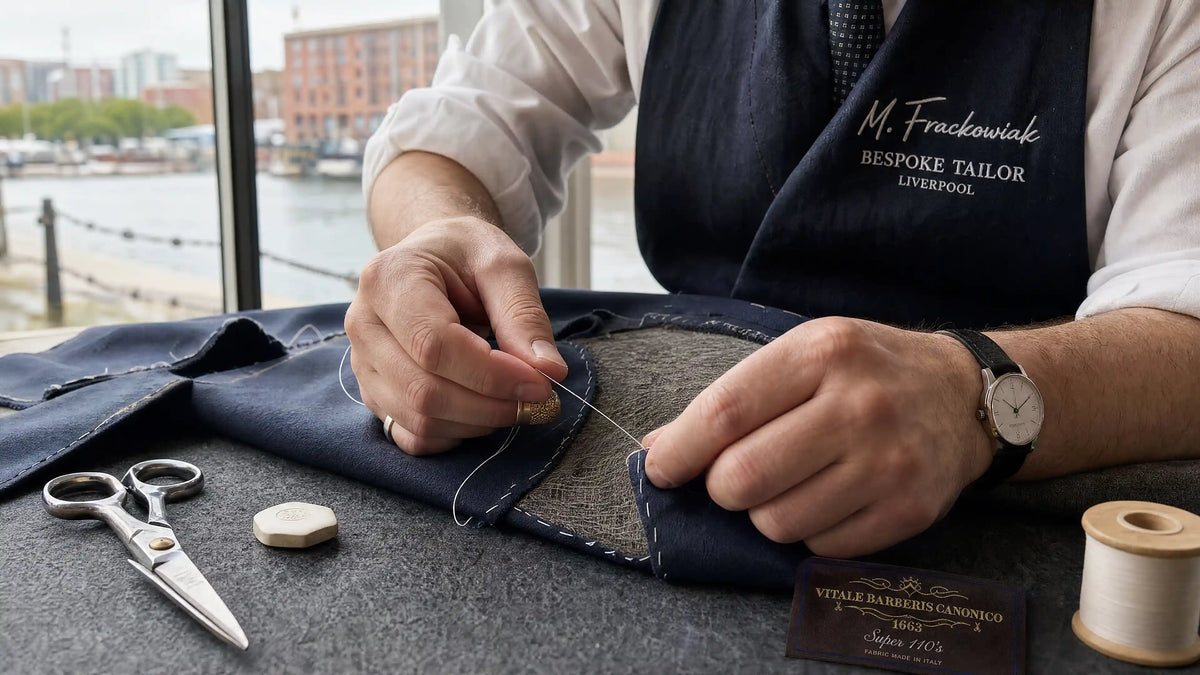
Seventh, they construct the suit. Most bespoke suits are hand-constructed. This takes significant time and skill. The result is a suit that looks and fits better than anything you can buy off the rack.
Investment vs Fast Fashion
Fast fashion means buying cheap suits frequently. You wear them briefly, they fall apart, you buy replacements. This is expensive in the long run. It's also wasteful.
A bespoke suit is an investment. It costs more upfront. But it lasts ten to twenty years or more. You wear it repeatedly. It becomes part of your permanent wardrobe. The cost per wear is very low.
A three thousand dollar suit worn one hundred times costs thirty dollars per wear. A three hundred dollar off-the-rack suit worn ten times before falling apart also costs thirty dollars per wear. But the bespoke suit looks and feels dramatically better.
Longevity and True Value
Quality bespoke suits can be altered as your body changes. A good tailor builds in extra fabric in the seams. If you gain or lose weight, they can adjust the suit.
The fabric improves with age. Quality wool develops a patina. It looks richer and more distinguished. A ten-year-old bespoke suit looks better than a brand new cheap suit.
If damage occurs, a quality tailor can repair it professionally. A torn seam can be resewn. A worn elbow can be patch-repaired inside. This keeps the suit looking excellent for decades.
Getting Started With Your Bespoke Suit
Ready to create your first custom suit? Here's how to begin your journey.
First Consultation
Contact Michael Frackowiak at michaelfrackowiak.com or call to schedule an initial consultation. We'll discuss your goals and preferences. We'll learn about your lifestyle and the occasions where you dress.
Bring references if you have them. Movie suits you admire. Photos of styles that appeal to you. Examples of colors that excite you. This helps us understand your vision.
We'll explain our process and discuss investment ranges. We'll answer all your questions.
Measurements and Professional Assessment
Once you're ready, we schedule a measurement appointment. This is where precision matters significantly.
We take twenty to thirty precise measurements. We note your posture carefully. We understand your body's unique characteristics. Maybe one shoulder sits higher. Maybe your arms are longer than average. Maybe you carry weight in a specific area.
This information creates a pattern specifically for your body. This is why bespoke fits so much better than off-the-rack.
Fabric Selection Process
We show you our collection of fine fabrics. We discuss options based on your needs.
For daily office wear, we recommend durable medium-weight wools. These handle frequent wear and professional dry cleaning.
For special occasions, you might choose more luxurious fabrics. Cashmere blends. Silk blends. Lighter weight fabrics.
For business travel, we recommend wrinkle-resistant fabrics. These maintain appearance without constant pressing.
We help you choose colors that work with your existing wardrobe and complement your skin tone.
Making Your Design Choices
You'll make final decisions about your suit's specific design.
Lapel style: Notch, peak, or shawl?
Button configuration: One, two, or three buttons?
Pocket style: Which design appeals to you?
Vest options: Do you want a three-piece suit?
Lining: Standard or custom fabric?
Special personalization: Monogramming or custom details?
The Bespoke Construction Process
Once decisions are made, we create your pattern and begin construction.
You'll have a first fitting where you see the preliminary garment. You try it on. You see how it looks and feels. We make necessary adjustments.
Then we complete final construction with hand-finished details.
Finally, your suit arrives. It's ready for your life.
Conclusion
Movie suits have inspired men's fashion for over seven decades. From James Bond's sophisticated elegance to Patrick Bateman's power dressing confidence, cinema has shown us the impact of proper tailoring.
But the real magic doesn't happen on screen. It happens when you wear a properly tailored suit that fits your body perfectly. When you feel the quality fabric against your skin. When you move with confidence. When people notice that you look exceptional.
Bespoke tailoring is not just for celebrities and billionaires. It's for any man who wants to invest in quality. It's for professionals who need to project confidence. It's for anyone who wants to look their best and feel authentic.
The suits in movies work because they're tailored perfectly. You can have the same experience. Not a copy of a movie suit, but a suit inspired by those classics, tailored specifically for your body and your life.
Your journey to exceptional style starts today. Contact Michael Frackowiak at michaelfrackowiak.com. Let's create a suit that tells your story.